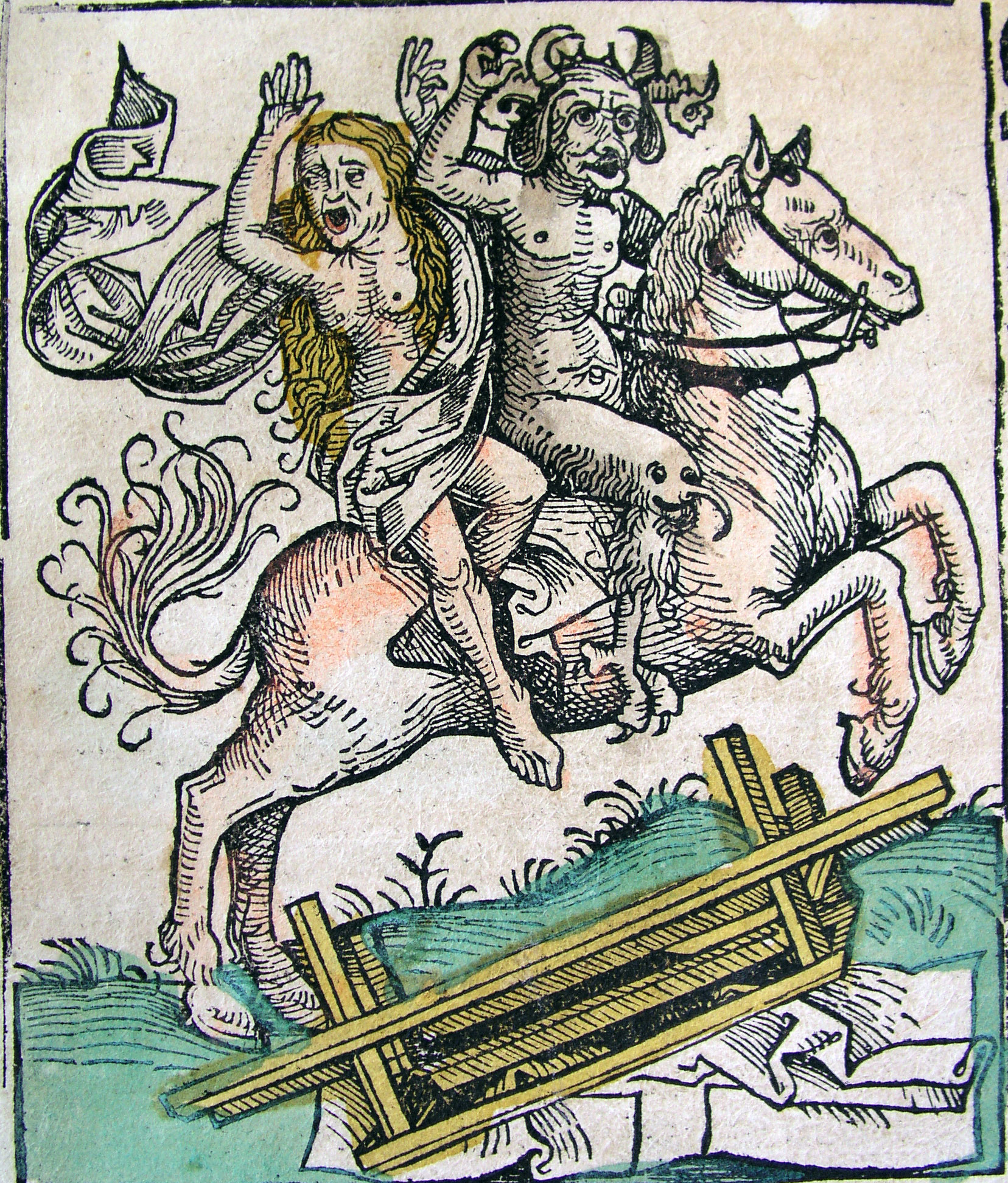
The state of depression is easy enough to describe but it is doubtful whether mere words manage to convey the depth of the misery to one who has never suffered from it.
States of mere sadness, boredom or lethargy are very common but the depths of depression go much further. It is a state where no pleasure is to be found, no happiness. It is a state where no sky is blue, no sunlight dappled or golden. It is a state where cynicism is the overriding emotion felt and every aspect of life seems absurd and futile. It is a state where taste and smell lose their meaning, where things ordinarily enjoyed become pointless and sterile.
Enough. There are some of you who will be only too well aware of what I am talking about. Others who will mistakenly imagine that their occasional sadness gives them an understanding of the condition.
It is all too tempting when in the grip of such a state of mind to go to ground. To cut off. Not to write or read. Or eat or drink. Certainly there will be little pleasure in any such activity.
And yet perhaps these are exactly the times one should write, and think. Not to drag others down into the grey abyss of your mood but to reflect, constructively, on what depression means and whether there might be a way out. A cure.
What is “mind”? The answer is not at all obviousness. We have very little idea what consciousness is, how it arose, or how it relates to physics and what we believe to be the laws of nature. In days gone by, dualism was all the rage. Rene Descartes and his followers believed (and some still believe) that mind and body are entirely separate. That the mind (the soul some would call it) is merely housed in the physical body but does not result from it. Does not arise or emerge from mere physical phenomena or laws.
Monists believe that mind and matter are all one, but there is a “hard problem” with such a view as pointed out by philosopher David Chalmers and others. Exactly how is it that mental properties can arise out of complex relationships between physical matter? Can consciousness arise from matter? How?
The panpsychists believe that consciousness is a law of nature. Like gravity or the weak nuclear force or electricity. It just “is”. It exists in all matter in varying states of sophistication, of which the human brain is at the top of the heap. So far as we know. Consciousness in human terms arises where sufficient complexity exists and the human brain is nothing if not complex. Rocks and nematode worms have consciousness but of a lesser form than we humans.
Some scientists believe that consciousness, the “mind”, emerges from physics. That physics and physics alone can explain mind; that there is nothing else. Other scientists and philosophers believe that the basic physical constituents of the universe have mental properties – in other words that consciousness just “is” as already mentioned.
How does any of this help the poor fool stuck at the bottom of the abyss?
Well in my view it does not really matter whether you believe in “emergence” or panpsychism. One day no doubt we will ascertain which view is correct; or than the answer lays somewhere else entirely.
And one day we will be able to adjust our moods with precision. Not with the blunt instrument of drugs but by genetic engineering. We will be able to shift our place along the pain pleasure axis by accurate and sure design.
In the meantime it is all trial and error. You won’t be able to think your way out of the abyss. You can tell yourself that it does not exist but that will be of little help when you are stuck down at the bottom. What you can do is to acknowledge it and to acknowledge that the mood is transient, even if chronic. It will not always be that intense. It will pass. And there is some merit in argument – along the lines “my life is fine, I have no reason to feel this way”. CBT some call it. Meditation – well it may help some a little. As might exercise.
But of course none of these “remedies” are an instant or permanent cure.
Over the years I have managed to develop a more philosophical approach. In earlier days before I even recognised what the mood was, I assumed it was entirely due to external circumstances and could be eradicated by physical and external means. Hence I moved from job to job and from country to country in search of happiness. In search of the philosopher’s stone, the “Way”, the “answer”, No 42.
These days I have to try and put my head down. To recognise that this state of mind merely exists. That unless medical or genetic research gets its skates on I’m stuck with it. At least I am lucky enough to be in a position to let it pass, to let it flow over me. It would be wholly impossible for me to do a “job” or to lead a life which any would consider “normal”. I have had the good luck to avoid “jobs” and people for almost 30 years and intend to do so for the next 30.
This is not a matter of pride but of necessity. And my life has not been entirely useless or entirely wasted. There is value in thought and in expressing thought. There is value in writing and in comparing notes with others.
So yes, these days I usually simply take the day off when the Black Dog barks at my door. Or the week. Or the month. I realise that none of it is my “fault”. That the state of mind we call depression just “is” and that for the moment all one can really is to hang on by one’s fingernails.
But that will change. A way will be found to alter our minds, wherever or whatever those minds spring from. And there is no harm in experimenting with the latest techniques or thinking about ways the answer will emerge.
Today is a bad day. It has been a bad week. And yet one part of my mind is still functioning and lucid. And telling me to write these past few days off. And the next few days if necessary. And to keep studying and thinking even from the bottom of the pit.